NDPC Prioritises Inclusive Spatial Planning to Drive Balanced Development
The Chairman of the National Development Planning Commission (NDPC), Dr. Nii Moi Thompson, has called for a fundamental shift in Ghana’s development approach, placing spatial planning at the centre of national transformation.
Speaking at a strategic regional stakeholder engagement in the Ahafo Region on Thursday, March 26, 2026, Dr. Thompson stressed that inclusive and well-coordinated spatial planning is essential for achieving balanced and sustainable development across the country.
He emphasised that development must go beyond policy formulation to deliberately organising how land, infrastructure, and economic activities are distributed, noting that planning should reflect the needs of all segments of society and ensure equitable access to opportunities.
Dr. Thompson further identified the disconnect between sectoral and spatial planning as a major weakness in Ghana’s development framework, explaining that while growth is often planned across key sectors such as agriculture, industry, and services, insufficient attention is given to the physical locations where this growth should occur.
He noted that aligning economic planning with spatial realities is critical to addressing challenges such as congestion in urban centres and underdevelopment in other parts of the country.
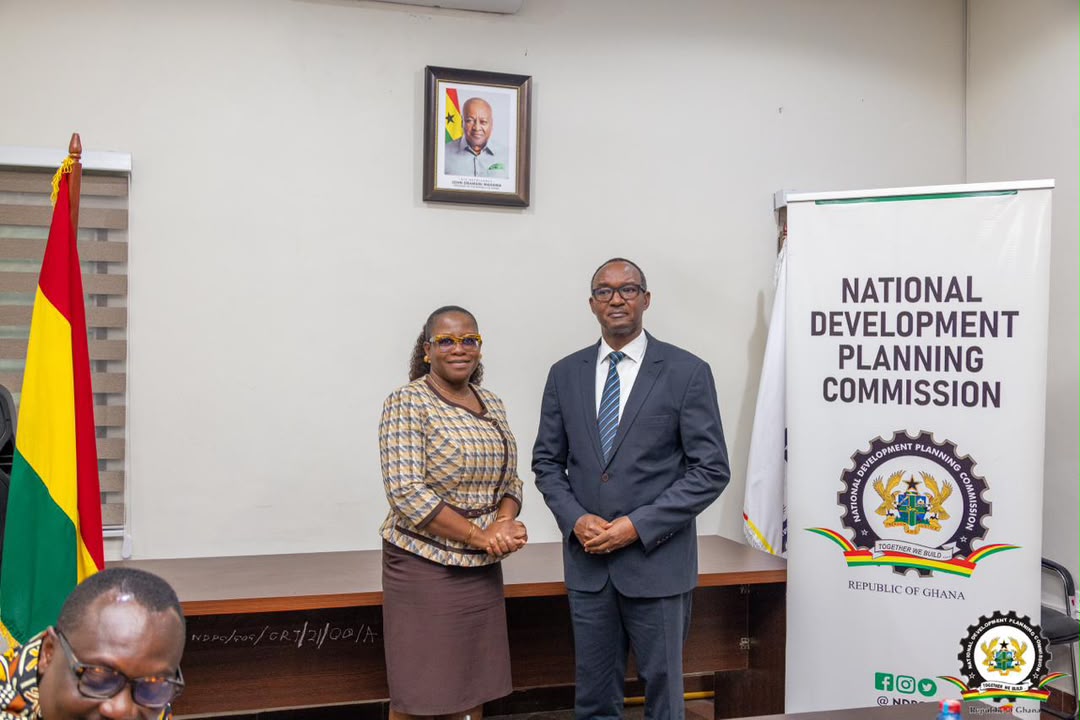
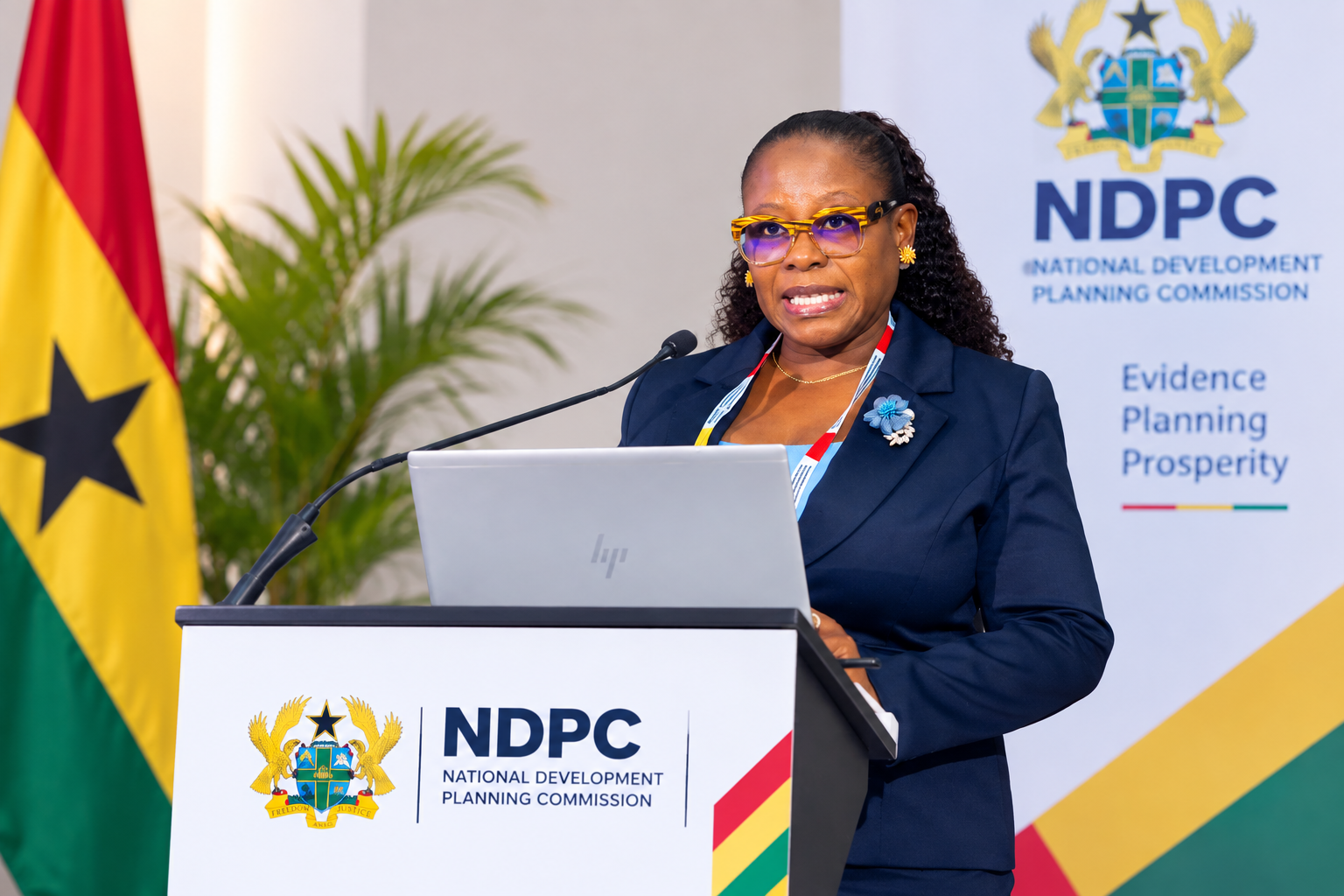
Reinforcing this, the Director-General of the National Development Planning Commission, Dr. Audrey Smock Amoah, reiterated the importance of planning discipline and strict adherence to national guidelines, noting that development plans remain the backbone of accountability across government institutions.
“Whenever you request funds, the first document that will be demanded is your development plan,” she explained. “Before auditors even ask for contract registers, they will ask for your plan to verify whether implementation aligns with what was proposed.”
She added that monitoring and evaluation systems have been strengthened at all levels from national to district to ensure that performance is tracked and reported effectively.
Dr. Amoah also disclosed that while all Regional Coordinating Councils submitted their plans, only a portion have been certified, with delays in Annual Progress Report submissions posing a major challenge.
She therefore urged Metropolitan, Municipal and District Chief Executives to prioritise planning and implementation. “Certification is only the beginning. What truly matters is implementation… the next time we meet, we should be counting achievements, not lamenting challenges,” she stated.
On behalf of the Ahafo Regional Minister, the Acting Coordinating Director, Mr. Joseph Frimpong Nayo, emphasised the need for data-driven decision-making and a shift from subsistence agriculture to value-added industrialisation, supported by strong infrastructure and energy systems.
He urged stakeholders to contribute to building a more inclusive and responsive national development agenda.
The delegation was accompanied by the Commission’s Regional Representative, Joseph Baradoe.
Certificates were presented to all six districts in the Ahafo Region following the approval of their Medium-Term Development Plans for the 2026–2029 planning period.